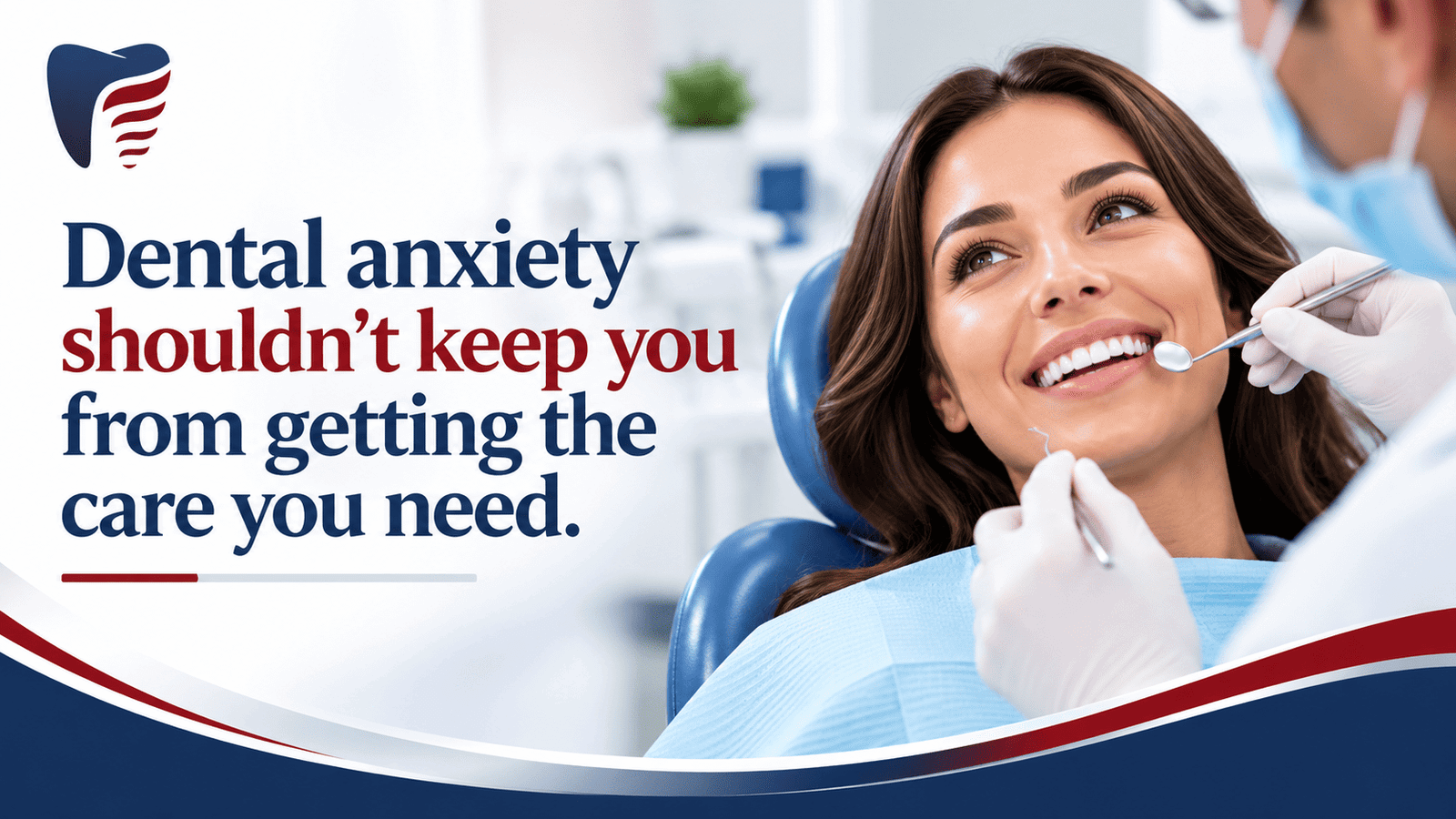
Some people have serious fear of going to the dentist. The sound of the drill, the sight of needles, or even sitting in the dental chair can all be anxiety provoking. That dread is also a reason individuals delay therapy.
Sedation dentistry in Modesto can help worried people feel more comfortable during dental care. The type of sedation that you will receive is based on your anxiety, medical history, and the treatment you are receiving.
What Is Sedation Dentistry?
Sedation dentistry is used to help you be more comfortable during your dental procedure. Depending on the level of sedation that you receive, you may feel either relaxed or sleepy, but you will be awake and able to talk to your dentist.
There are different levels of sedation. Nitrous oxide is moderate sedation, and oral or IV medication can be used for deeper sedation. Your dentist will recommend the type of sedation based on your health, medications, anxiety, and the treatment that you need.
Also Read: Preventive Dentistry in 2026: Why Are Regular Dental Visits Important
How Does Sedation Dentistry Help With Dental Anxiety?
Dentist anxiety can make even a simple operation difficult to get through during a dentist appointment. Sedation is useful in such cases as:
1. You’re particularly anxious about dental treatment: It can help you relax and feel more at ease throughout your session.
2, You have a sensitive gag reflex: It might make dental equipment, and some operations easier to tolerate.
3. You are frightened of needles: Being calmer can make the injection and treatment easier to go through.
4. You need a lengthier or more complicated surgery: Sedation can help you relax during the procedure.
5. It’s hard for you to sit still: It can help you keep relaxed while your dentist works.
The choice of sedation will be made by your dentist, taking into account your medical history, your anxiety, and the treatment you require.
What Happens During Oral Sedation?
Oral sedation is when medication is recommended to you to take before your session to help you feel more comfortable. Your dentist will advise you what to take, how much, and when to take it.
Before Your Visit
Your dentist will ask you about your health, any drugs you take and the treatment you require. This can help them decide if oral sedation is best for you.
Taking the Medication
You’ll take the recommended dose when your dentist says you should.
When You Arrive
You may feel relaxed and sleepy, or less conscious of what’s occurring around you. In most circumstances, you can still speak to your dentist and follow their directions.
During Your Therapy
Your dental team will be watching you closely during the procedure to ensure you are comfortable as they complete your treatment.
Following Your Appointment
You may feel fatigued or dizzy for a few hours after taking this medicine. Have someone take you home, and stay with you until the effects wear off.
If you suffer from dental anxiety that makes sessions a challenge, oral sedation can help you feel more comfortable in the chair. The prescription and dosage your dentist select will depend on your health, the medications you’re taking, and the treatment you require.
Must Read: How to Choose the Right Dentist for Your Family
What Types of Sedation Are Used in Dentistry?
The type of sedation you get will depend on your anxiety level, medical history, and the treatment you are having. What’s right for you can be determined by your dentist.
Nitrous Oxide
Nitrous oxide (sometimes termed laughing gas) is a moderate sedative that is given through a tiny mask that fits over your nose. You stay awake and can communicate with your dentist. The effects don’t last long once the gas is gone.
Oral Sedation
Oral sedation is taking a prescribed medicine before your therapy. It can make you feel drowsy and more relaxed. You typically can answer your dentist, but you may recall little from the visit.
IV Sedation
IV Sedation is the delivery of medication through a vein, which allows your dental staff to change the level of sedation as needed during treatment. It can offer a greater level of relaxation but requires closer observation.
Your dentist will suggest what is best for you depending on your needs and medical history.
Is Sedation Dentistry Safe?
For most people, dental sedation is safe providing the dentist administers the correct drug and dosage. They will ask about your health and medicines you use before your consultation. They will also watch you while you are in treatment.
Your health
Tell your dentist about your health conditions. Your breathing problems, heart problems, and sleep apnea can influence which sedation is safe for you.
Your medications
Tell your dentist about everything you take, including over-the-counter medications and supplements. Some may influence how the sedation works.
Type of sedation
There are many types of dental sedation, and they will each affect you differently. Your dentist will choose whatever is best for your health and the treatment that you need.
Your vitals
Your dental staff may watch your breathing, oxygen level, blood pressure, and pulse rate during the treatment. It helps them make sure you are okay during the process.
Also Read: Dental Implant Procedure in Modesto: Step-by-Step Guide to Replacing Missing Teeth
Who Can Benefit From Sedation Dentistry?
If you’re particularly apprehensive about the dentist, have a strong gag reflex or have a hard time sitting through extensive dental procedures, sedation can assist. Your dentist will review your medical history and the treatment you need to see if it is safe for you.
You are anxious about going to the dentist
If worry prevents you from scheduling sessions or fear makes it difficult to go through treatment, sedation can help you feel more comfortable in the dental chair.
You Have a Very Strong Gag Reflex
Some people get easily gagged when the dentist utilizes some tools or instruments. This might make therapy uncomfortable and, in some situations, more difficult to complete. Sedation may enable you to stay more relaxed.
You’re Afraid of Needles or Dental Work
If the notion of having an injection, drill or other element of dental treatment makes you exceedingly nervous, sedation can help you feel calmer throughout your visit.
You struggle with long appointments
Some procedures take time and it can be hard to sit in the dental chair for a long time. It can make it easier to be comfortable while you are having your treatment done.
You Need More Than One Therapy
You may have more than one operation to get done, or have a dental issue that necessitates longer visits. Sedation may make those appointments simpler to get through.
Sedation can be useful, but it’s not the perfect choice for everyone. Your dentist will take your health, medications, and the treatment you need into account before prescribing it.
What Should You Expect After Sedation?
The way you feel following sedation will depend on the type you have. Nitrous oxide normally wears off quickly, but oral or IV sedation can leave you drowsy for several hours.
Post-sedation:
• Arrange for a ride home: Do not drive following oral or IV sedation. Get someone else to take you home.
• Take it easy: Rest for the remainder of the day and avoid work, exercise or other vigorous activity until cleared by your dentist.
• Follow your dentist’s directions: Take any medicines given for you, and follow limits on food and drink.
• If needed, have someone stay with you: Your dentist may also require an adult to stay with you for a particular period after certain types of anesthesia.
• Know what to report: Call your dentist if you have difficulty breathing, dizziness, recurrent vomiting, chest discomfort, confusion, an odd rash, or difficulties staying awake.
If severe symptoms occur, seek emergency help: Get medical help right away if you have trouble breathing, faint, or other symptoms that seem life-threatening.
Your dental staff will describe what you can expect when the sedation wears off and will give you specific advice for aftercare before you leave.
Conclusion
Many people get anxious about dentist visits. Sedation can allow you to feel relaxed and comfortable during certain dental procedures.
Your dentist will assess your health, how worried you feel, and the treatment that you require to offer an option. They can also describe how it works and what to expect during your stay.
Searching for Sedation Dentistry in Modesto? Contact Paragon Dental about your worries and they’ll help you discover a comfortable approach to get the care you need.
FAQs
How does oral sedation feel like?
You take recommended medication prior to your consultation. It can relax you and make you sleepy, but you will be able to answer your dentist. You’ll need someone to drive you home after.
Will I be put to sleep with sedation dentistry?
It is contingent upon the sort of sedative used. Nitrous oxide and oral sedation usually maintain you awake and responsive. More profound anesthesia can make you less aware of the process.
Is it safe to get sedation dentistry?
Sedation can be safe if your dentist analyzes your health history and medications and your needs for treatment and watches you during the procedure. Always provide your full medical history before anesthesia.
Can I drive home after taking oral sedation?
No. Oral sedatives can make you feel drowsy and damage your coordination. Have someone drive you home, and follow the post-treatment instructions the dentist gives you.
How long does dental sedation take?
How long the procedure lasts depends on the medication, the dose, and the type of sedation. Nitrous gas is quickly eliminated, while oral and IV sedation can last for hours.

As the leading cosmetic dentist in Modesto, CA, and founder of Paragon Dental, I’m proud to serve our community with state-of-the-art care. A Fellow of the International Congress of Implantology (ICOI) and Associate Fellow of the American Academy of Implant Dentistry (AAID), I focus on advanced, evidence-based care. Through continuous learning and modern technology, my team and I are committed to delivering comfortable, personalized treatment for healthy and lasting smiles