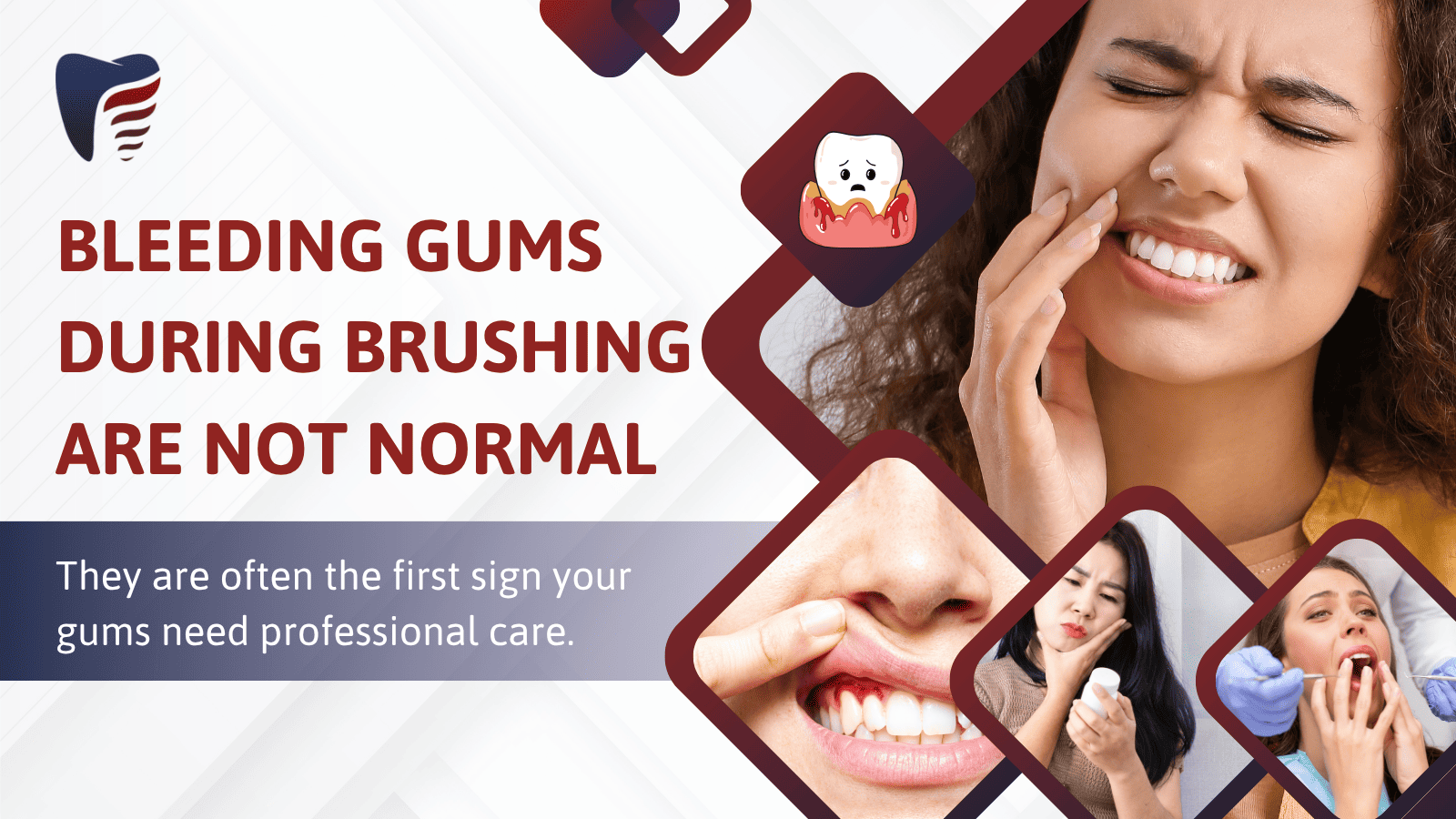
Bleeding gums can seem harmless at first. Most people see a little blood when they brush or floss and think the gums are just irritated for the day. But healthy gums don’t bleed with normal brushing and flossing.
Bleeding often indicates inflammation due to plaque buildup, gingivitis, smoking, poor oral hygiene or early periodontal disease. If left untreated, the condition can worsen and cause damage to the structures around the teeth.
The good news is that early gum problems respond well to professional care and consistent oral hygiene. The first step in protecting your gums’ health long term is knowing the cause.
What Causes Bleeding Gums?
There is always a reason for bleeding gums. Usually the gums respond to inflammation, irritation, or bacterial build-up near the tooth surface.
Here are some of the most common causes:
- Plaque formation around the gum line: Plaque has bacteria that irritate the tissue of the gum. If plaque remains along the gum line for too long, the gums may become inflamed and bleed when brushing or flossing.
- Gingivitis and early periodontal disease: Gingivitis is the earliest stage of gum disease. Your gums may look red, swollen, or sore. Usually, the first symptom noticed is bleeding.
- Too close to the brush: Many people think that brushing harder cleans better. It does. Too much pressure can irritate the gums and erode soft tissue around the teeth.
- Flossing the wrong way: Flossing too aggressively can hurt the gums, especially when someone has not flossed regularly, and then starts again after long periods of time.
- Tobacco and smoking use: Tobacco affects the blood flow in gum tissue and reduces the mouth’s ability to fight infection. Over time, smokers tend to develop more severe periodontal problems.
- Medical and hormonal considerations: Hormonal changes, diabetes, dry mouth and some medications can cause inflammation and sensitivity of the gums.
- Nutritional deficiencies: A diet low in vitamin C can cause the gum tissue to weaken and bleeding to be more prominent when caring for the teeth.
Bleeding gums can begin as a small issue, but the symptoms should never become a regular occurrence. Early evaluation can catch the root cause before worse periodontal damage sets in.
Also Read: Can Gum Disease Be Reversed? What Dentists Recommend for Healthier Gums
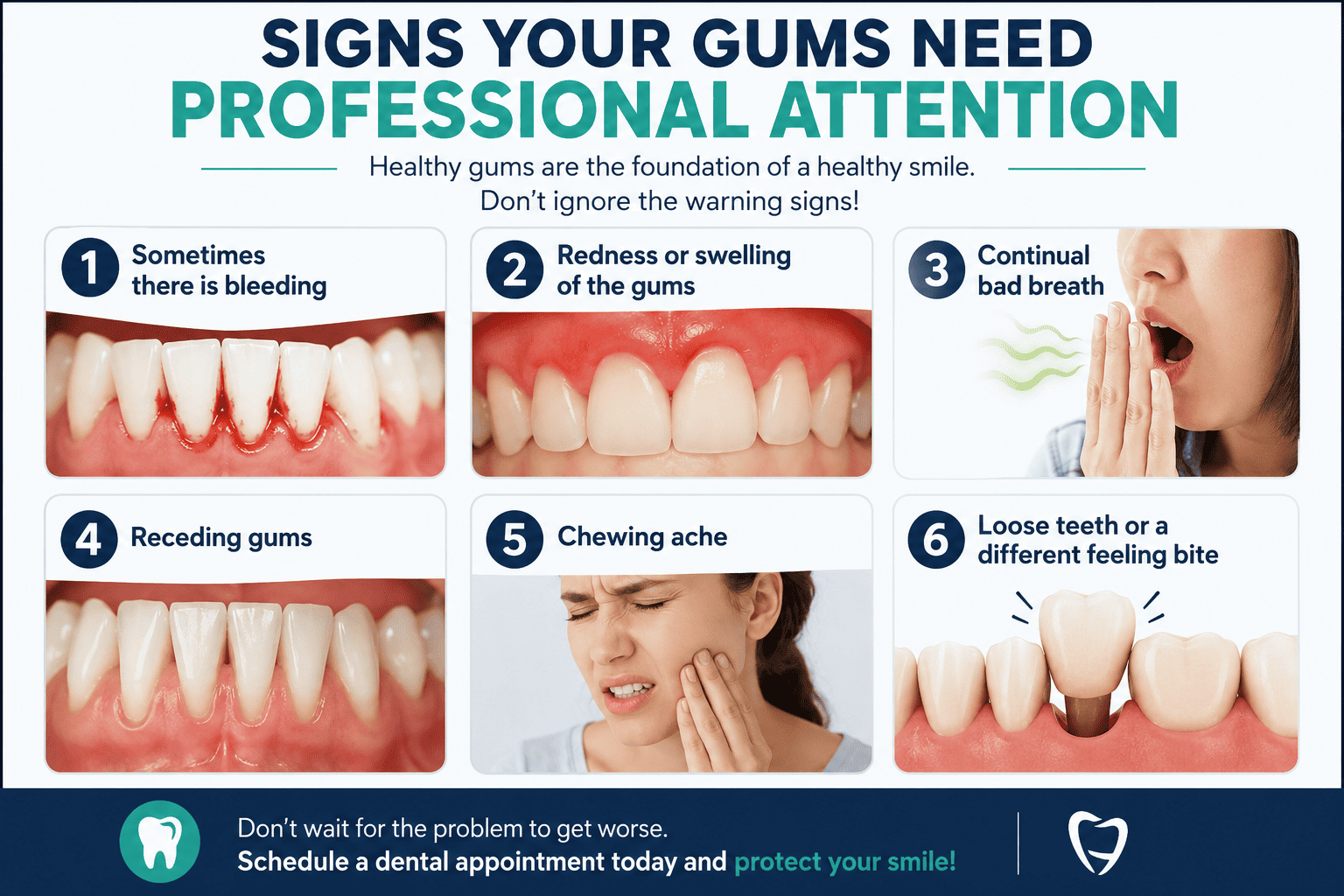
Signs Your Gums Need Professional Attention
Sometimes they can get a little irritated, especially if you brush hard or don’t floss regularly. But with persistent bleeding, it usually means something more serious than sensitivity.
Signs that your gums need professional examination include:
- Sometimes there is bleeding: If your gums bleed every time, you brush or floss, chances are the tissue is chronically inflamed. Healthy gums should not bleed when subjected to the daily care routine in the mouth.
- Redness or swelling of the gums: Often, your inflamed gums lose their firm, pale pink appearance. They may appear darker, swollen, or sore when eating or while brushing.
- Continual bad breath: Bacteria that get trapped below the gum line can cause chronic bad breath that isn’t fixed by mouthwash or brushing alone.
- Receding gums: When gums pull away from the teeth, more of the tooth is exposed. Teeth may become sensitive or look like they are longer at the roots.
- Chewing ache: Inflamed gums and periodontal pockets can cause pain when biting or chewing some foods.
- Loose teeth or a different feeling bite: As the gum disease progresses, the supporting structures around the teeth weaken. You might feel that the teeth are loose or sit in a different position when you bite down.
These symptoms rarely get better on their own. And early periodontal treatment can help prevent more extensive gum and bone damage in the long run.
Bleeding Gums Treatment Options in Modesto
Treatment will depend on the cause and severity of the gum condition. Mild inflammation is treated differently than advanced periodontal disease.
The most common treatment options include:
- Dental cleaning professional: Plaque and tartar build-up near the gum line often causes the inflammation to start early. Professional cleaning removes these deposits and helps the gums to recover.
- Deep cleaning for periodontal disease: If bacteria can get below the gum line, regular cleaning may not be enough. Deep cleaning is designed to clean plaque and tartar from inside periodontal pockets.
- Root planing and scaling: This procedure smooths the roots of the tooth and removes bacterial deposits under the gums. It helps the gum tissue to reattach better around the teeth.
- Antibiotic treatment: In some periodontal infections, the localized use of antibiotics is required to reduce the bacterial activity and control the inflammatory process.
- Improved home care regimen: In the interim, help heal your gums with proper brushing technique, soft-bristle toothbrushes, flossing habits and antibacterial rinses between appointments.
- Periodontal maintenance appointments: If you have gum disease, you’ll need periodontal cleanings more often to help keep inflammation at bay and prevent it from returning.
- Changes in lifestyle: Gum conditions can be worsened by smoking, poorly controlled diabetes, and poor oral hygiene.
You Might Also Like: Beyond Cleanings How a Modesto Dentist Can Improve Your Overall Well-Being
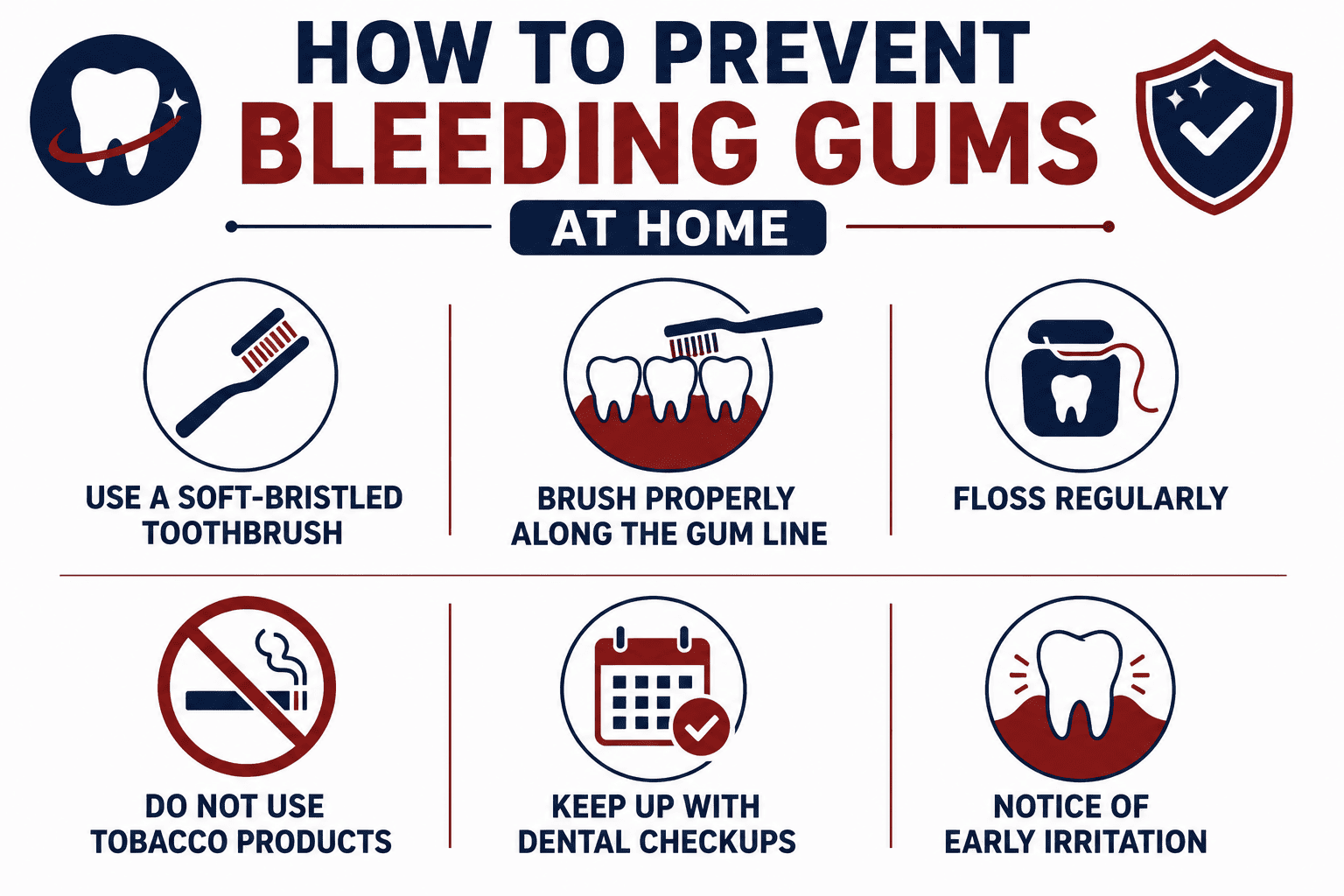
How to Prevent Bleeding Gums at Home
Daily habits are very important for gum health. Small mistakes in oral care often cause inflammation long before serious gum disease develops.
Here are some habits that help save the gums:
1. Use a soft-bristled toothbrush
Hard bristles can irritate gum tissue and cause wearing of the area near the roots. A soft-bristled brush cleans well without too much pressure on the gums.
2. Brush properly along the gum line
Plaque builds up where the teeth meet the gums. Work around the gum line in gentle circles to help remove buildup before it gets inflamed.
3. Floss regularly
When gums bleed, a lot of people stop flossing. That usually makes things worse. Flossing regularly helps to remove plaque from in between the teeth where the bristles of the toothbrush cannot reach.
4. Do not use tobacco products
Smoking damages gum tissue and increases the risk of gum disease. Tobacco also delays healing after gum treatment.
5. Keep up with dental checkups
Tartar is removed before it can irritate gums by routine cleanings. Regular exams also help in early detection of periodontal changes before they get further.
6. Notice of early irritation
You shouldn’t have to deal with bleeding, tenderness, or swelling on a daily basis. Early treatment usually prevents the need for more extensive gum treatment later.
When Do Bleeding Gums Become a Serious Problem
In the beginning, bleeding gums can be a mild inflammation, but if left untreated, gum disease can start to go deeper under the gum line over time.
The gums start to pull back from the teeth and form periodontal pockets where more plaque accumulates as bacteria gather around the roots. This can ultimately lead to bone loss and tooth instability.
As the disease progresses, patients may develop loose teeth, receding gums, chronic bad breath or pain when chewing.
One of the biggest problems with gum disease is that it often progresses without you noticing. Many people wait until the symptoms are hard to ignore.
Early treatment is usually less complicated and more predictable. When care is delayed, more extensive periodontal therapy is often required later.
How Paragon Dental Helps Treat Gum Problems
Bleeding gums often point to deeper inflammation below the surface. Treating the symptom alone does not solve the underlying issue if plaque, bacteria, or periodontal pockets remain untreated.
At Paragon Dental, treatment starts with a detailed gum evaluation to identify inflammation, recession, and signs of periodontal disease. Depending on the condition, care may include professional cleaning, deep cleaning, scaling and root planing, or ongoing periodontal maintenance.
The goal is to control inflammation early and protect the long-term stability of the teeth and gums. If your gums bleed often or feel swollen, schedule a professional gum evaluation with Paragon Dental for bleeding gums treatment in Modesto.

As the leading cosmetic dentist in Modesto, CA, and founder of Paragon Dental, I’m proud to serve our community with state-of-the-art care. A Fellow of the International Congress of Implantology (ICOI) and Associate Fellow of the American Academy of Implant Dentistry (AAID), I focus on advanced, evidence-based care. Through continuous learning and modern technology, my team and I are committed to delivering comfortable, personalized treatment for healthy and lasting smiles