
Parents often see white spots on their child’s teeth when they brush them or when they are in bright light. The marks don’t look like cavities, and they don’t usually hurt. That makes it easy to ignore them.
But these spots don’t usually show up for no reason. In a lot of cases, they show that the enamel is changing early on. The tooth may still look fine, but the surface is already starting to lose strength.
This step is important. If the condition is found early, it is easier to handle and may not need complicated treatment.
This is what you can expect. This guide tells you why white spots appear, what they mean, and when it’s a good idea to see a Modesto kids dentist.
What Are White Spots on Kids’ Teeth?
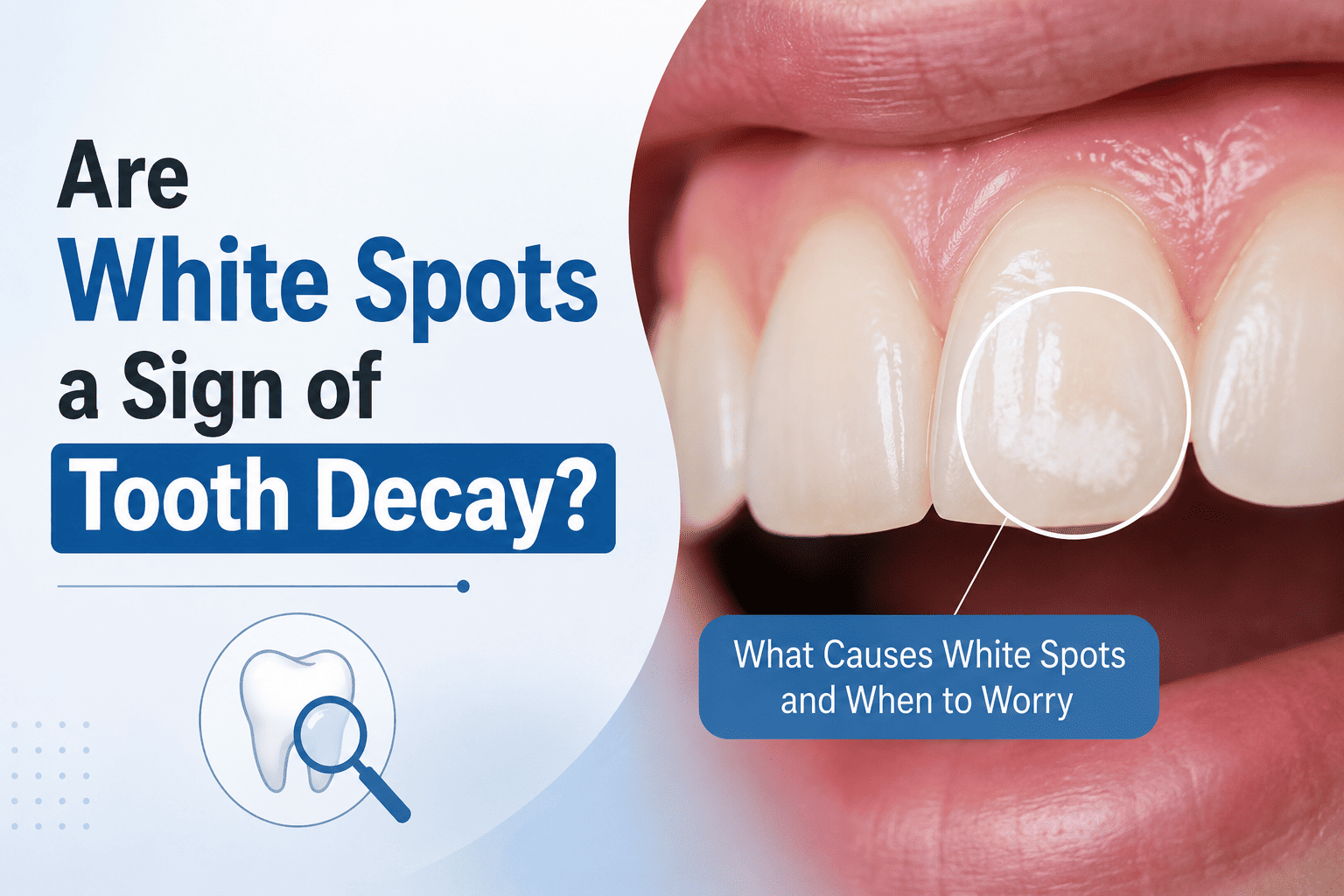
White spots are changes in the enamel that make some parts of the tooth look lighter than the rest of the tooth surface. They often look chalky or opaque and stand out in natural light.
When the enamel loses important minerals like calcium and phosphate, these spots appear. The surface of healthy enamel is smooth and even. When minerals are lost, the surface structure changes, which changes how light reflects off the tooth.
At this point, the enamel has not turned into a hole. The tooth is still structurally sound, but the affected area is weaker and more likely to get hurt again.
White spots can show up on the front teeth, but they can also show up on any other teeth. Even if there are no symptoms yet, their presence means that the enamel needs care.
Common Causes of White Spots on Children’s Teeth
White spots do not have a single cause. In most cases, they develop due to a mix of oral habits, diet, and enamel exposure over time. Identifying the cause helps guide the right treatment.
- Enamel demineralization: This is the most common reason. Plaque buildup on the teeth creates acids that pull minerals out of the enamel. The surface starts to weaken, and white spots appear as an early sign.
- Early tooth decay: White spots often mark the first stage of decay. Before a cavity forms, the enamel loses minerals and changes in appearance. At this point, the damage can still be controlled.
- Fluorosis: Excess fluoride during early tooth development can affect how enamel forms. This may lead to faint white streaks or patches on the teeth.
- Poor oral hygiene: Irregular brushing allows plaque to stay on the teeth for longer periods. This increases the risk of mineral loss, especially along the gum line and around brackets if the child wears braces.
- Diet-related factors: Frequent intake of sugary or acidic foods feeds bacteria in the mouth. Over time, this creates an environment where enamel breaks down more easily.
Each of these factors affects enamel in a different way. A dental evaluation helps identify the exact cause and determine the next step.
Also Read: Can Gum Disease Be Reversed? What Dentists Recommend for Healthier Gums
Are White Spots a Sign of Tooth Decay?
White spots often raise one key question. Do they mean a cavity is forming?
In many cases, yes. White spots can represent the earliest stage of tooth decay. At this point, the enamel has started to lose minerals, but it has not broken down into a cavity.
The surface may still feel smooth, but the internal structure has weakened. If this stage goes unchecked, the area can progress into visible decay.
How to Improve White Spots on Kids’ Teeth
The treatment depends on what caused the spots and how soon they were found. In many cases, white spots in the early stages can get better without surgery.
- Professional assessment
A dentist looks at the enamel and finds out if the spots are caused by early decay, fluorosis, or something else. This step helps plan the treatment.
- Treatments for remineralization
These treatments put minerals back into the enamel that were lost. Fluoride-based products or products high in calcium help make the surface stronger and make spots less noticeable over time.
- Fluoride care on the skin
Fluoride helps make enamel stronger again. Dentists may suggest treatments that can be done in the office or give you products to use at home.
- Changes to diet and oral care
Limiting sugar exposure and brushing more often helps keep minerals from being lost. Consistent care helps the enamel heal.
- Advanced cosmetic options (if needed)
If spots are still visible, treatments like microabrasion or resin infiltration may help make them look better. These methods work on the surface of the teeth without changing their structure too much.
Taking action early makes a big difference. If you treat the enamel at the right time, it can get stronger and stop getting worse.
Can White Spots Be Prevented?
The goal of prevention is to keep enamel from losing minerals too soon. Making small changes to your daily routine can lower your risk of getting white spots.
- Regular brushing schedule: Brushing your teeth twice a day with toothpaste that contains fluoride helps keep your enamel strong and get rid of plaque.
- Taking in sugar in moderation: Eating sugary foods often makes you more likely to get acid exposure. Limiting this lowers the chance of losing minerals.
- Balanced fluoride exposure: Fluoride is good for enamel health, but too much of it in the early years can cause fluorosis. Getting the right advice helps keep things in balance.
- Going to the dentist regularly: Regular checkups help find changes in the enamel early on, before they get worse.
Oral care for younger kids with supervision: While brushing, kids might miss some spots. Supervision makes sure that cleaning is done right and that plaque doesn’t build up.
When Should You See a Modesto Kids Dentist?
White spots don’t always need immediate care, but they do need to be looked at at the right time. The hard part is knowing when to stop watching and ask a professional for their opinion.
Here are some signs that you need to see a dentist:
- The spots get easier to see as time goes on: A change in size, color, or spread often means that the enamel is breaking down.
- Other teeth get new spots on them: This could be a sign of a bigger problem with your diet or oral hygiene.
- Your child’s teeth are sensitive: If you feel pain when you eat hot, cold, or sweet foods, it could mean that your enamel is weak.
- The surface looks rough or not smooth: Changes in texture often mean that things have moved on from the beginning stage.
- You don’t know what caused it: An evaluation can help avoid delays when the reason isn’t clear.
If you see any of these signs, you should see a dentist for kids in Modesto. Early evaluation keeps treatment simple and stops more damage from happening.
You Might Also Like: What to Do Before You Reach an Emergency Dentist
What to Expect During a Dental Visit
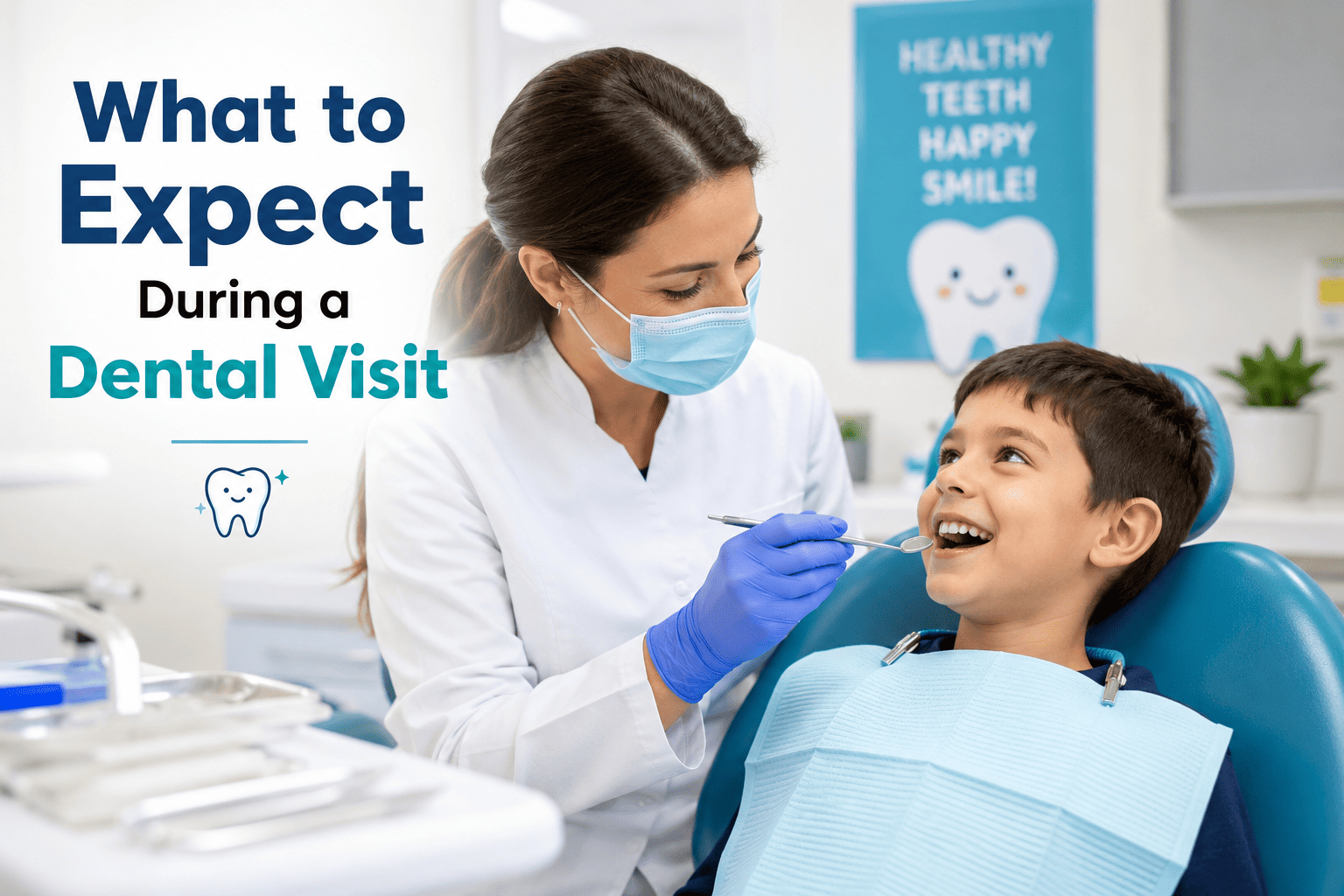
A dental visit for white spots is all about getting things clear. The goal is to figure out what caused the problem and whether the enamel needs treatment or just watching.
The dentist starts by looking at the teeth. This helps figure out how big, where, and how the spots are arranged. Imaging may help with the diagnosis in some cases, especially if there is a worry about early decay.
The dentist explains the situation in simple terms based on what they found. If the spots are due to mineral loss, the focus changes to making the enamel stronger. If they have to do with fluorosis or small problems, the treatment might involve watching them or making them look better.
You will also get help with how to take care of yourself every day. This could include tips on how to brush your teeth, suggestions for products to use, and changes to your diet that will help your enamel stay healthy.
Why Early Care Makes a Difference
If you don’t take care of them, white spots don’t stay the same very often. They are often the first signs of enamel breaking down, when the surface still looks fine but has already lost strength.
Here are some things that early care can help you with:
- Stops deterioration before it makes a hole: At the white spot stage, the enamel is weaker but not broken. Before the damage turns into a cavity, timely care can either fix it or keep it from getting worse.
- Keeps the natural shape of the tooth: Instead than destroying the enamel, early therapy focuses on making it stronger. This keeps the tooth whole and prevents surgery that is excessively invasive.
- Lessens the need for complicated care: As decay becomes worse, it may need fillings or more complicated care. Taking action early makes treatment easier and more predictable.
- Stops the spread to other teeth: If the problem has to do with plaque or diet, the same thing can happen to other teeth. Fixing the problem early helps keep it from getting worse.
- Strengthens enamel over time: With the appropriate care, the tooth can get back its mineral balance and not get hurt again.
- Starts good oral care habits early: At this point, dealing with the problem frequently leads to better brushing habits and healthier food choices.
How Paragon Dental Supports Your Child’s Oral Health
White spots need the right approach, not guesswork. A clear diagnosis and timely care make all the difference.
At Paragon Dental, treatment begins with a close look at your child’s enamel and overall oral health. The focus stays on identifying the cause early and choosing the right course of action.
Care plans aim to protect natural tooth structure and prevent progression. Parents receive clear guidance at every step, from daily care to follow-up.
If you notice white spots on your child’s teeth, schedule a consultation with Paragon Dental and get clarity on what to do next.

As the leading cosmetic dentist in Modesto, CA, and founder of Paragon Dental, I’m proud to serve our community with state-of-the-art care. A Fellow of the International Congress of Implantology (ICOI) and Associate Fellow of the American Academy of Implant Dentistry (AAID), I focus on advanced, evidence-based care. Through continuous learning and modern technology, my team and I are committed to delivering comfortable, personalized treatment for healthy and lasting smiles