Taking care of a healthy child means making many choices and providing good dental care can be one of the most critical areas that parents tend to neglect. Beginning with your toddler’s eruption and stretching through your teenager’s orthodontic problems, dental health matters significantly to your child’s comfort, confidence, and overall growth and development.
Parents often have questions such as-
- When should my child see a pediatric dentist?
- How do I know whether they may have an oral problem?
- What should children eat to have healthy, cavities-free smiles?
- How do we maintain healthy teeth during holidays and traveling?
- When is it necessary to move from a pediatric dentist to a general dentist?
This blog addresses all such queries with expertise from pediatric dentists in Modesto.
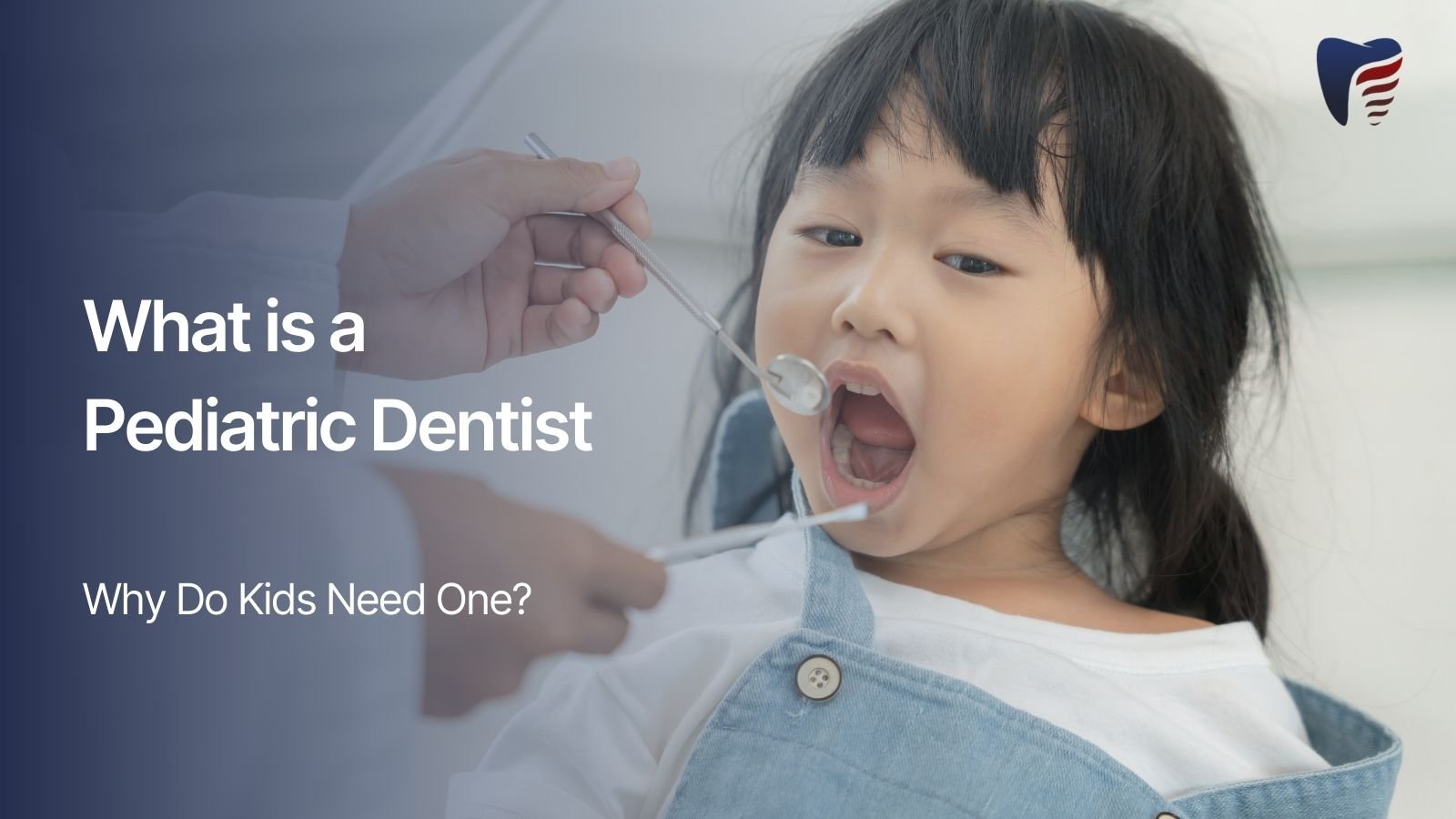
What is a Pediatric Dentist and Why Do Kids Need One?
A pediatric dentist is a specialist dentist that exclusively practices taking care of the oral health of babies, children, teenagers, and any exceptional or special needs children.
Pediatric dentists receive postgraduate education in:
- Child psychology and behavior management
- Development of teeth and jaw
- Preventive pediatric dental care
- Effectively dealing with dental anxiety in children
Although general dentists can treat children too, only pediatric dentists are trained to ensure that the experience is positive, gentle, and fear-free.
When Should a Child First Visit a Pediatric Dentist?
Based on the American Academy of Pediatric Dentistry, children must visit a dentist by their first birthday or six months after the eruption of their first tooth, whichever comes first.
Why so Early?
Early visits are beneficial to:
- Watch tooth and jaw growth
- Identify Signs of Decay
- Prevent feed-related cavities
- Train parents in cleaning principles
It is important to normalize visits for the kids so that they do not develop fear later. Building a rapport with a pediatric dentist on their first visit can mean a lifetime of pleasant dental experiences.
What Are the Signs That Your Child Needs to See a Pediatric Dentist?
Even with regular brushing, dental problems can develop quietly. Here are 10 key signs it’s time to book an appointment.
- Your Child’s First Tooth Has Appeared
That tiny Tooth is prone to decay, too. Early visits ensure its health. - Chronic Bad Breath
Persistent bad breath can be a sign of dental caries, periodontal infection, or xerostomia. - White, Brown, or Black Spots on Teeth
Discoloration may indicate early caries, which needs professional attention. - Tooth ache or sensitivity
If your child avoids chewing, cries while eating, or complains of pain, you must not wait to see a dentist. - Bleeding Gums While Brushing
Frequent bleeding may be one of the early signs of gingivitis. - Thumb Sucking or Pacifier Use After the Age of Three
Prolonged habits can influence the normal alignment of jaws and positioning of teeth. - Falls or Dental Injuries
These could be simple chips or bumps, but a professional must assess them to prevent long-term damage. - Crooked, Crowded, or Impacted Teeth
Early diagnosis can prevent the need for extensive orthodontic treatment. - Clicking in the Jaw or Difficulty While Chewing
These may hint at bite problems or issues of TMJ. - The last visit was over six months ago
Regular check-ups are so important, even if nothing appears to be wrong.
What Happens During a Pediatric Dental Visit?
The following may be included in a typical visit with a pediatric dentist in Modesto:
-
-
- Gentle cleaning and fluoride treatment
-
- Dental X-rays – when required
-
- Monitoring tooth and jaw growth
-
- Brushing and flossing education
-
- Nutrition guidance
-
- A non-threatening, child-friendly experience
-
These visits are designed for education, the prevention of problems, and trust-building, rather than simply treatment.
How does nutrition relate to children’s dental health?
Healthy smiles don’t start in the bathroom; they start in the kitchen. Teeth develop from minerals that create strong enamel. Acidic and sugary foods feed the bacteria causing cavities. Thus, a poor diet increases the chances of decay and gum disease.
Nutrients Essential for Strong Teeth
Calcium: Milk, Cheese, yogurt, leafy greens
Phosphorus: Eggs, fish, beans
Vitamin D: Sunlight, fortified dairy products, fatty fish
Vitamin C: Citrus fruits, strawberries, peppers
Fluoride: drinking water and dental products
Tooth-Friendly Foods Parents Should Encourage
-
-
- Dairy products
-
- Crunchy fruits and vegetables
-
- Nuts and seeds-appropriate to age
-
- Water instead of juice or soda
-
- Foods and Habits to Limit
-
- Sticky candies or gummies
-
- Drinks with a large amount of sugar and juice boxes
-
- Snacking all day long.
-
A Modesto pediatric dentist can also recommend sealants or fluoride treatments for added protection.
What Are the Best Pediatric Dental Tips for Every Parent?
Here are the top 10 expert recommendations to safeguard your child’s smile:
-
-
- Start dental visits at an early age
-
- Use fluoridated toothpaste daily, brushing your teeth twice
-
- Teach flossing when the teeth are in contact
-
- Limit sugary snacks and drinks
-
- Dentists offer a variety of ways in
-
- Be a role model
-
- Maintain regular dental checkups
-
- Ask about dental sealants
-
- Monitor the development of your teeth and jaw
-
- Dental anxiety needs to be addressed early on
-
Good habits established when we were children tend to last throughout our lifetime.
How to Keep Teeth Healthy When You’re on the Go?
Travel disturbs routines, but cavities don’t take vacations. When traveling:
-
-
- Pack a Travel Dental Kit
-
- Toothbrush with cover
-
- Fluoride toothpaste
-
- Floss or floss picks
-
- Sugar-Free Gum (For Older Kids)
-
- Stick to the Twice-a-Day Brushing Rule-Whatever your schedule may be, brushing your teeth in the morning and before bed is not optional.
-
- Choose Smart Snacks
-
- Fresh fruit, cheese, nuts
-
- Plenty of water
-
- Rinse With Water After Treats
-
- Appointment on the Pre-Vacation Healthcare Checkup
-
- Your pediatric dentist can:
-
- Identify small problems early
-
- Apply fluoride varnish
-
- Provide travel-related advice
-
- Prepare you for Emergencies
-
Be informed about what to do and always have the contact information of your dentist.
When Is a Child Too Old for a Pediatric Dentist?
Many children outgrow the care of a pediatric dentist by the time they enter junior high school. There isn’t the right age, but the average age is between 12 and 18 years old.
What Do Experts Say?
AAPD: Pediatric care up to age 18
Insurance Providers: Coverage may end at age 13
Individual practices: Some practiced on teens into early adulthood
Determinants of the Transition Process
-
-
- Eruption of complete permanent dentition
-
- Psychological maturity
-
- Comfort level with adult dental settings
-
- Orthodontic treatment
-
- Special healthcare needs
-
What are the Signs that You Need a Change?
-
-
- Adult-like dental issues (wisdom teeth, advanced orthodontics)
-
- Pediatric dentist recommends the transition
-
- Insurance benefit changes
-
Some teens might require more time in the care of a pediatric dentist, particularly if they feel comfortable in the office and if their needs are complex.
How Can Parents Facilitate the Transition to a General Dentist in Their Child?
-
-
- You can get a list of recommended dentists from your pediatric dentist
-
- Select a family-friendly General Dentist
-
- Go to the new office together
-
- Take Regular Check-Ups
-
A good transition encourages teens to take personal responsibility for their oral health.
Final Thoughts
Your child’s dental development is not something that occurs in a single night but rather through several years of learning, and nurturing.
Right from the first baby tooth to the teenage years, when they start becoming independent, having the right pediatric dentist in your life can be absolutely invaluable.
By being pro-active, watching for warning signs, encouraging healthy eating habits, and attending regular dental visits, you’re doing far more than helping your kids steer clear of cavities but building confidence, comfort, and a lifetime of good health.

As the leading cosmetic dentist in Modesto, CA, and founder of Paragon Dental, I’m proud to serve our community with state-of-the-art care. A Fellow of the International Congress of Implantology (ICOI) and Associate Fellow of the American Academy of Implant Dentistry (AAID), I focus on advanced, evidence-based care. Through continuous learning and modern technology, my team and I are committed to delivering comfortable, personalized treatment for healthy and lasting smiles